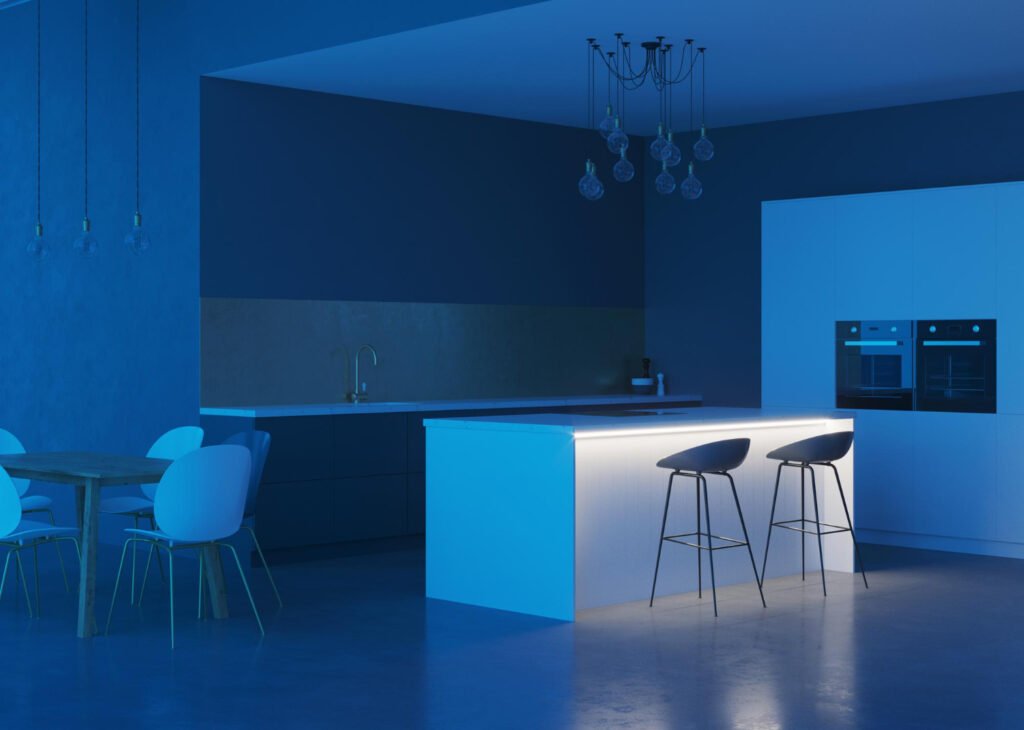
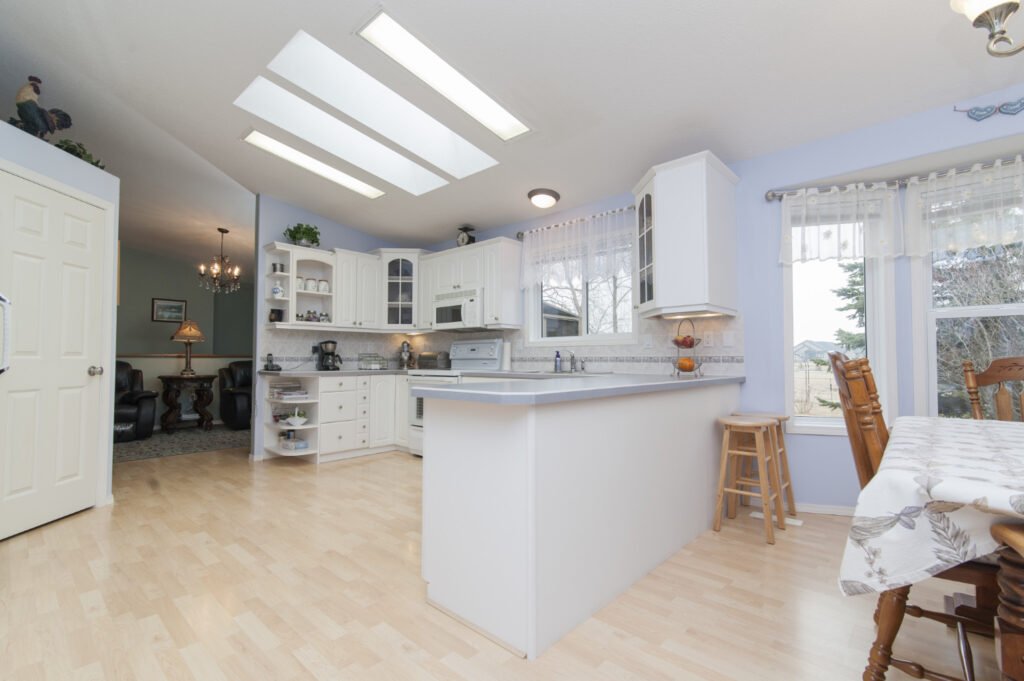
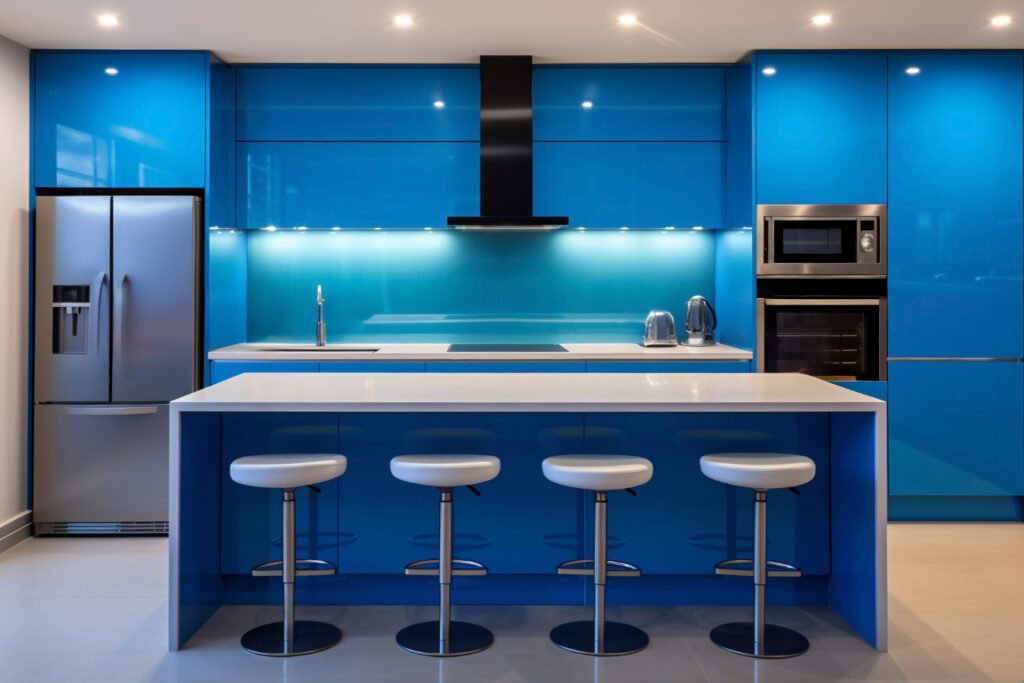
The kitchen island has become one of the most requested features in American home renovation for a reason that goes beyond trend. A well-designed island does something no other element in the kitchen does as effectively: it adds storage, workspace, seating, and visual impact simultaneously. It makes the kitchen more functional, more social, and more visually interesting without requiring any additional square footage in the room.
The cabinet base of the island is what makes all of that possible. The configuration, the size, the storage organization, and the design of the island cabinet base determine how much the island actually adds to the kitchen versus how much it simply occupies space in the middle of it.
Getting the island cabinet decision right is one of the highest-return design investments available in a kitchen renovation. Getting it wrong is one of the most difficult mistakes to correct without a significant structural intervention.
This guide covers everything: the configurations that work, the sizes that fit different kitchen footprints, the design combinations that create the most admired island results in 2026, and the buying considerations that determine whether an island cabinet base performs for thirty years or disappoints within five.
Why the Island Cabinet Base Determines Everything About the Island
Kitchen islands are frequently discussed in terms of their countertop material, their seating configuration, or their pendant lighting. These are the visible elements that most people notice first when they walk into a kitchen with an island. But every one of those elements is determined by what the cabinet base beneath them can support, and the cabinet base is where the functional decisions that make an island genuinely useful rather than merely attractive live.
The number of drawers and doors in the island base determines how much storage it provides and how that storage is organized. The height of the cabinet base determines the countertop height and whether the island functions as a prep surface at standard counter height, a casual eating surface at bar height, or a multi-level combination of both. The depth of the cabinet base determines how much workspace the countertop provides and whether there is sufficient clearance on all sides for the kitchen to flow comfortably when multiple people are using it simultaneously.
An island that is designed as a cabinet base first and a visual element second consistently delivers a better result than one designed as a countertop or lighting statement with a cabinet base treated as an afterthought beneath it.
Kitchen Island Cabinet Configurations That Work
Standard Base Cabinet Island
The most common island configuration is a run of standard base cabinets positioned freestanding in the kitchen, oriented so that one or both long sides are accessible from within the kitchen rather than against a wall. Standard base cabinets used for island construction are typically twenty-four inches deep on each side of the island, creating an island total depth of forty-eight inches that provides substantial countertop workspace while maintaining comfortable circulation clearance on all sides.
This configuration works in kitchens with a minimum of forty-two inches of clearance on the work side of the island and thirty-six inches on the seating side. The storage provided by a standard base cabinet island run is substantial, including full-depth base cabinet drawers on the kitchen-facing side and door storage on the seating-facing side that accommodates a wine refrigerator, a microwave drawer, or additional cabinet storage depending on the household’s priorities.
Single-Sided Island with Decorative End Panel
In smaller kitchens where a full forty-eight inch deep island is too large for the available floor plan, a single-sided island using standard twenty-four inch deep base cabinets with a decorative panel closing the back creates a functional island that fits a tighter footprint. The storage is accessible from the kitchen side only, and the back of the island reads as a furniture-like panel rather than a row of cabinet backs facing the dining area.
This configuration is particularly effective in kitchens that open to a dining area or living room, where the back of the island is visible from seating areas. A decorative panel in the same finish as the island cabinet base, or in a contrasting accent material such as shiplap or a different painted color, creates an intentional, finished back that reads as a design decision rather than a construction limitation.
Multi-Level Island with Raised Bar Section
A multi-level island combines a standard thirty-six inch counter height section for food preparation and cooking tasks with a raised forty-two inch bar height section for casual seating. The lower section is fully functional as a prep surface and typically includes the primary sink location if the island houses plumbing. The raised section overhangs the island base by twelve to sixteen inches to create knee clearance for bar stool seating.
The cabinet base of a multi-level island requires careful planning because the transition between the two height sections involves structural framing that extends beyond standard cabinet specifications. This configuration is best planned with the assistance of a professional designer or our free design service, which can create a complete 3D rendering of the multi-level island within the full kitchen layout before any cabinet is ordered.
Waterfall Island Configuration
A waterfall island extends the countertop material down the ends or sides of the island to the floor, creating a continuous material surface that wraps the island cabinet base entirely. This configuration is one of the strongest visual statements available in kitchen design and requires the island cabinet base to be sized and positioned with the waterfall countertop fabrication in mind from the design phase.
Cabinet base selection for a waterfall island should consider the visibility of the cabinet sides, which are entirely covered by the waterfall countertop material, and the accessibility of the cabinet interior from the non-waterfall faces of the island.
Sizing Your Kitchen Island Correctly
Island sizing is where the most expensive mistakes in kitchen renovation happen because an island that is too large for the available floor plan impedes kitchen function in ways that are felt every time the kitchen is used. The clearance requirements around an island are not suggestions. They are the minimum dimensions required for a kitchen to function comfortably when more than one person is using it.
The absolute minimum clearance on the work side of any kitchen island is forty-two inches measured from the island edge to the facing countertop or appliance. Forty-eight inches is the comfortable standard. Sixty inches is the premium clearance that allows two people to work simultaneously on opposite sides of the island without interfering with each other.
The minimum clearance on the seating side of the island is thirty-six inches from the island overhang to the nearest wall or furniture. Forty-eight inches is comfortable. Sixty inches allows dining chairs to be pushed back fully without contacting the wall.
The island width should be at least twenty-four inches to function as a useful work surface. Thirty-six to forty-eight inches is the practical range for most kitchens. Anything wider requires a kitchen footprint that provides adequate clearance on all sides simultaneously, which limits very wide island configurations to larger open-concept kitchen plans.
The island length is determined by the available wall-to-wall dimension of the kitchen minus the clearance requirements on each end of the island. An island that runs the full length of a kitchen wall without adequate clearance at each end creates a circulation bottleneck at the ends that makes the kitchen feel congested even when the overall kitchen is adequately sized.
Island Cabinet Colors and Design Combinations in 2026
The island is the single cabinet element in the kitchen most suited to a bold or contrasting color because its freestanding position gives it the visual independence of a piece of furniture. A color on the island that would feel overwhelming on every cabinet in the kitchen reads as a deliberate accent when applied to the island base alone.
A NB Navy Blue island base against a surrounding perimeter of DDW Double Dove White cabinets is the most admired island color combination in 2026 and the one that most consistently delivers the boutique kitchen result that homeowners are trying to achieve. The navy island becomes the visual centerpiece of the kitchen. The white perimeter frames it rather than competing with it. Brushed gold hardware throughout unifies the two colors into a cohesive design.
A GR Shaker Gray island alongside white perimeter cabinets creates the more understated version of this approach — sophisticated and clearly intentional without the boldness that navy requires. This combination works in the widest range of kitchen styles and is the safest island accent color choice for kitchens being prepared for sale.
A SWO Slim White Oak island base against painted perimeter cabinets in white or gray creates the material contrast that is one of the most distinctive and most admired design approaches of the year. The natural wood island reads as furniture rather than cabinetry, which gives the kitchen a warmth and intentionality that painted-only combinations approach but rarely fully achieve.
Getting the Island Right Before You Build It
The island is the cabinet decision with the most structural permanence in the kitchen. Once installed, resizing or repositioning an island involves countertop replacement, plumbing relocation if applicable, and flooring repair where the original island footprint was positioned. Getting the configuration, the size, and the design right before the cabinets are ordered is worth every minute of planning time invested.
Our free design service creates a complete 3D rendering of your kitchen including the island in your chosen configuration, color, and size within the actual layout of your space. You see the island positioned within the full kitchen, with all clearance dimensions confirmed, before any product is ordered.
👉 Browse Our Base Cabinet Collection for Island Building 👉 Get Your Free Island and Kitchen 3D Design 👉 Order Island Cabinet Sample Doors Before You Commit