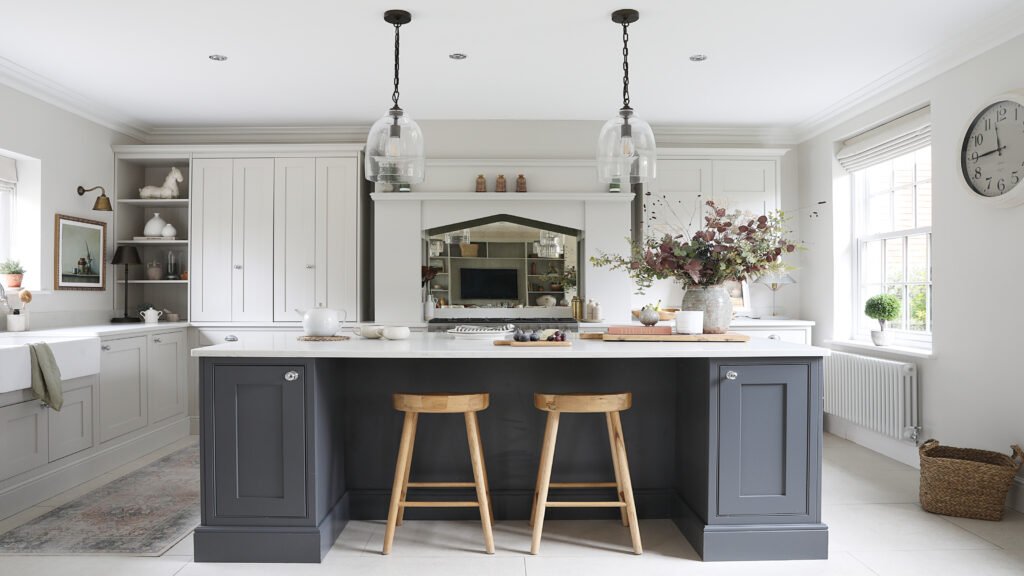
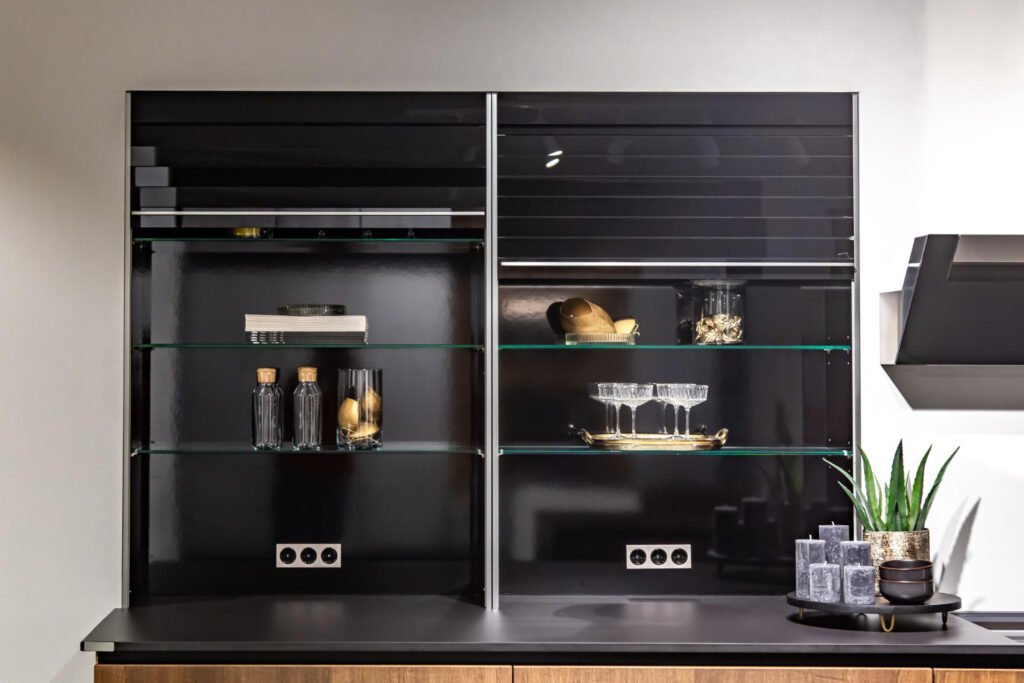
Kitchen cabinet sizing is one of those topics that feels straightforward until you are standing in a kitchen with a tape measure and a notepad, trying to figure out which combination of cabinet widths fills the available wall space without leaving an awkward gap or requiring a filler strip wider than looks intentional.
The challenge is not that cabinet sizing is complicated. Standard kitchen cabinets are manufactured in a logical, consistent sizing system that covers the overwhelming majority of kitchen layout applications. The challenge is that most buyers encounter the sizing system for the first time when they are already in the middle of a planning process, which makes the number of variables feel more overwhelming than they are.
This guide presents the complete standard kitchen cabinet sizing system in a format that allows buyers to understand the full range of available dimensions, plan their kitchen layout with confidence, and arrive at a cabinet order without the guesswork and measurement anxiety that derail more kitchen renovation projects than any other planning challenge.
How Standard Kitchen Cabinet Sizing Works
Kitchen cabinets are manufactured in standardized dimensions that have been consistent across the American residential cabinet industry for decades. This standardization makes it possible to combine cabinets from a single supplier in a wide variety of configurations that fill most kitchen wall lengths precisely or with minimal filler adjustment.
The standardization operates independently for width, height, and depth in each of the three main cabinet categories: wall cabinets, base cabinets, and tall cabinets. Width is the most variable dimension and the one with the most options. Height is standardized within each category with a limited number of choices. Depth is largely fixed within each category with minimal variation.
Understanding the standard dimensions for each category before planning a kitchen layout allows the layout to be designed around the available sizes rather than around assumed sizes that may or may not exist as standard products.
Wall Cabinet Sizes: The Complete Reference
Wall cabinets, also called upper cabinets, are the cabinets mounted to the wall above the countertop surface. They are the most visually prominent cabinet element in the kitchen from across the room and the primary storage location for dishes, glasses, everyday pantry items, and frequently used kitchen supplies.
Wall Cabinet Widths
Standard wall cabinet widths run from nine inches to forty-eight inches in three-inch increments. The nine-inch width is the narrowest standard wall cabinet and works well for positions adjacent to walls, windows, or appliances where the available space is limited. The forty-eight-inch width is the widest standard wall cabinet and provides the maximum storage volume at a single position.
The most commonly used wall cabinet widths in standard kitchen layouts are twelve, fifteen, eighteen, twenty-one, twenty-four, thirty, and thirty-six inches. These widths cover the majority of kitchen layout applications and are the most consistently available in quality RTA cabinet product lines.
Wall Cabinet Heights
Standard wall cabinet heights are twelve, fifteen, eighteen, twenty-four, thirty, thirty-six, and forty-two inches. The most commonly used heights in residential kitchen applications are thirty, thirty-six, and forty-two inches.
Thirty-inch wall cabinets are the standard choice in kitchens with eight-foot ceilings, particularly those with a soffit that fills the space between the cabinet top and the ceiling. They provide approximately thirty inches of interior storage height, which accommodates most standard-sized kitchen items across two or three shelf positions.
Thirty-six-inch wall cabinets are appropriate for kitchens with nine-foot ceilings or for eight-foot ceiling kitchens where a taller cabinet without a soffit creates a more dramatic visual result. The additional six inches of cabinet height relative to the thirty-inch standard provides meaningfully more storage volume and creates a stronger visual presence in the upper portion of the kitchen.
Forty-two-inch wall cabinets are the choice for ceiling-height installations in kitchens with nine to ten-foot ceilings. They bring the cabinet run to approximately eighty-four inches from the floor when installed at the standard fifty-four-inch height from the floor, which is close to ceiling height in nine-foot-ceiling kitchens and creates the most visually complete, most storage-efficient upper cabinet result available.
The shorter wall cabinet heights of twelve, fifteen, and eighteen inches are used in specific applications including the cabinet positioned above a refrigerator, cabinets stacked above a primary wall cabinet run to reach ceiling height, and cabinets positioned in spaces with limited vertical clearance such as above a window or doorway.
Wall Cabinet Depth
Standard wall cabinets are twelve inches deep. This depth provides adequate interior storage for the items most commonly stored in upper cabinets while maintaining comfortable reach to the back of the cabinet for most adults. Fifteen-inch-deep wall cabinets are available as a non-standard option for applications requiring additional interior depth.
Base Cabinet Sizes: The Complete Reference
Base cabinets are the floor-mounted cabinets that support the countertop and provide the primary storage for cookware, small appliances, and heavy kitchen equipment. They bear the structural load of everything placed on the countertop above them and require the most robust construction of any cabinet type.
Base Cabinet Widths
Standard base cabinet widths run from nine inches to forty-eight inches in three-inch increments, covering the same width range as wall cabinets. The most commonly used base cabinet widths are nine, twelve, fifteen, eighteen, twenty-one, twenty-four, twenty-seven, thirty, thirty-three, and thirty-six inches.
Nine to twelve-inch base cabinets work well as narrow pull-out configurations adjacent to the range or in tight corner positions. Twenty-four to thirty-six-inch base cabinets provide the primary storage volume in the base cabinet run and are the most frequently used widths in standard kitchen layouts.
Base Cabinet Height
All standard base cabinets are manufactured to a uniform height of thirty-four and a half inches. This height, combined with a standard one-and-a-half-inch countertop thickness, produces the universal thirty-six-inch kitchen countertop height. Base cabinet height is not variable in the standard product range, which means the thirty-six-inch finished countertop height is the default in every kitchen using standard base cabinets.
Modified countertop heights above or below the thirty-six-inch standard are achieved by adjusting the toe kick height at the base of the cabinet rather than changing the cabinet height itself. Increasing the toe kick height raises the finished countertop height. Reducing the toe kick height or eliminating it lowers the finished countertop height.
Base Cabinet Depth
Standard base cabinets are twenty-four inches deep. This depth is consistent across virtually the entire standard base cabinet product range and is the dimension that determines the countertop depth, which is typically twenty-five to twenty-six inches including a one to two-inch overhang beyond the cabinet face.
Shallow base cabinets of twelve to eighteen inch depth are available for specific applications and are most commonly used in bathroom vanity and laundry room cabinet installations where the full twenty-four-inch depth is not available or appropriate.
Tall Cabinet Sizes: The Complete Reference
Tall cabinets, also called utility cabinets, pantry cabinets, or oven cabinets depending on their intended application, span from the floor to near ceiling height and provide the maximum storage volume of any cabinet type. They are used for pantry storage, broom and utility storage, oven and microwave housing, and refrigerator surround applications.
Tall Cabinet Widths
Standard tall cabinet widths run from twelve inches to thirty-six inches in three-inch increments. The most commonly used tall cabinet widths are eighteen, twenty-four, thirty, and thirty-six inches.
Eighteen-inch tall cabinets work well as narrow pantry pull-out units and utility storage in compact kitchen layouts. Thirty and thirty-six-inch tall cabinets provide the most storage volume and are the most commonly used widths for full pantry applications.
Tall Cabinet Heights
Standard tall cabinet heights are eighty-four, ninety, and ninety-six inches. The appropriate height depends on the ceiling height of the kitchen and the desired relationship between the tall cabinet top and the ceiling.
Eighty-four-inch tall cabinets are the standard choice in kitchens with eight-foot ceilings. They bring the cabinet top to seven feet from the floor, which leaves a twelve-inch gap to the standard eight-foot ceiling that can be filled with a matching wall cabinet unit or a decorative crown molding detail.
Ninety and ninety-six-inch tall cabinets are appropriate for kitchens with nine to ten-foot ceilings where ceiling-height or near-ceiling-height coverage is the design goal. They create the most storage-efficient and visually complete tall cabinet installation available in standard product dimensions.
Tall Cabinet Depth
Standard tall cabinets are twenty-four inches deep, which aligns flush with the front face of adjacent base cabinets when positioned within or at the end of a base cabinet run. Twelve-inch-deep tall cabinets are available for pantry and utility applications where the full twenty-four-inch depth is not available.
Specialty Cabinet Sizes and Applications
Corner Cabinet Sizes
Corner base cabinets address the most challenging position in any kitchen layout where two cabinet runs meet at a ninety-degree angle. The standard corner base cabinet is a thirty-six-by-thirty-six-inch unit that occupies the full corner position and typically incorporates a lazy Susan or pull-out shelf system to make the deep corner interior accessible.
Corner wall cabinets are typically twenty-four by twenty-four-inch diagonal units that bridge the corner position at the upper cabinet level. They create a diagonal face that fills the corner visually while providing a cabinet interior accessible from the diagonal front rather than from an awkward side position.
Appliance Opening Sizes
The refrigerator opening is typically thirty-six inches wide by eighty-four inches tall to accommodate most standard refrigerator models with adequate ventilation clearance. Counter-depth refrigerators are twenty-four inches deep, while standard refrigerators are thirty to thirty-four inches deep.
The dishwasher opening is a fixed twenty-four inches wide and thirty-four and a half inches tall in every standard kitchen layout. The adjacent base cabinets on each side must be positioned with this fixed opening width confirmed in the layout plan.
The range opening is typically thirty inches wide for a standard thirty-inch range. Thirty-six-inch ranges require a wider opening, and the adjacent base cabinets must be confirmed to create exactly the required opening width without gaps or intrusions into the appliance clearance zone.
Planning Your Kitchen Layout With Standard Sizes
The most practical application of the sizing information in this guide is the kitchen layout planning process where available wall lengths are divided into combinations of standard cabinet widths that fill the space with minimal filler adjustment. Every kitchen wall with a cabinet run can be filled with combinations of standard widths, and the skill in planning a kitchen layout is choosing the combination of widths at each wall that optimizes storage volume, accommodates appliance positions, and minimizes the width of any filler strips required.
Our free design service handles this calculation for every customer project. Submit your wall dimensions, your appliance positions, and your storage priorities, and our design team creates a complete cabinet layout using standard product sizes that fills your kitchen precisely and efficiently. You receive a full-color 3D rendering of the finished kitchen, a precise cabinet count and size breakdown, and a complete quote before any product is ordered.
This is the service that converts a confusing sizing exercise into a confident purchase decision.
👉 Browse Our Full Cabinet Size Range 👉 Get Your Free Kitchen Layout Design 👉 Order Sample Doors Before Your Final Order
The Sizing System That Makes Every Kitchen Layout Possible
Standard kitchen cabinet sizes exist to make the planning process systematic rather than arbitrary. Every kitchen wall can be filled with combinations of standard widths. Every ceiling height can be addressed with appropriate cabinet heights. Every appliance position can be accommodated with openings sized to the specific appliance dimensions.
The standardization does not limit design options. It provides the consistent dimensional foundation on which every kitchen design, regardless of its complexity or its aesthetic direction, is built. Understanding the system before planning your kitchen layout converts a process that feels overwhelming into one that is genuinely manageable.
Start with your measurements. Submit them to our free design service. And let the sizing system work for you rather than against you.