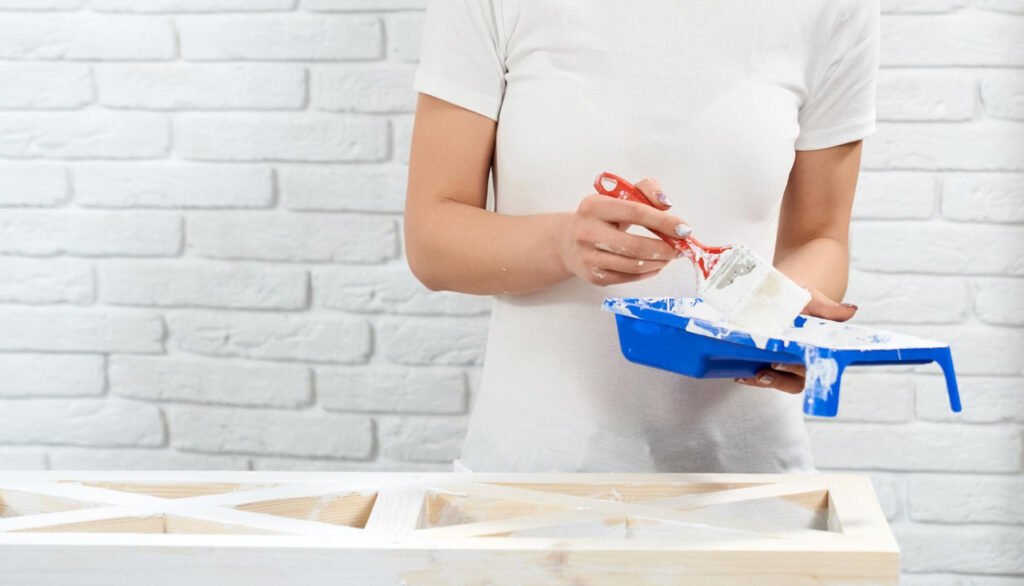
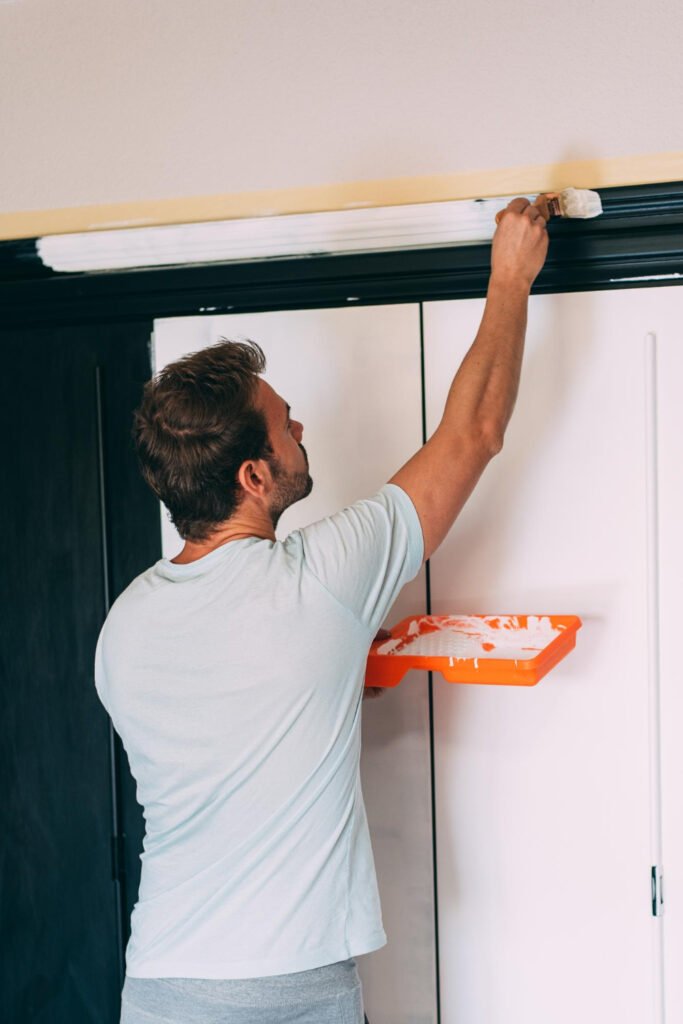
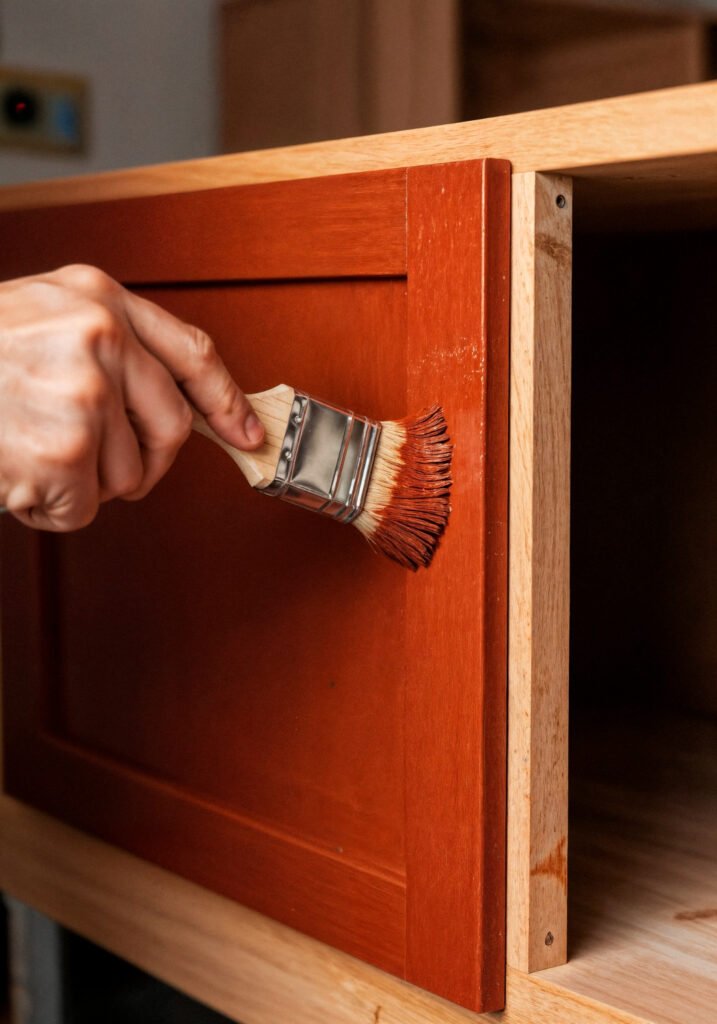
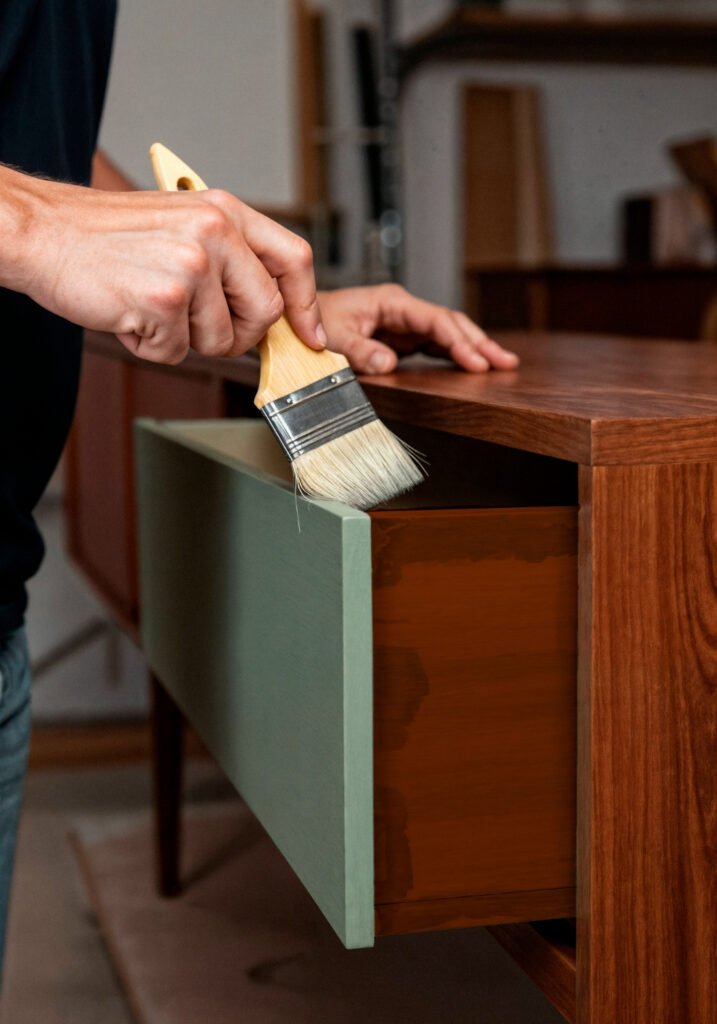
Painting kitchen cabinets sits at the intersection of every homeowner’s renovation instincts. It appears, on the surface, to be the most affordable path to a dramatically transformed kitchen. The cost of paint and supplies is modest compared to the cost of new cabinets. The labor, while significant, is something a motivated homeowner can execute independently over a weekend or two. The result, in the photographs that populate every DIY renovation platform, looks clean and professional.
The reality of painted kitchen cabinets, outside the controlled conditions of a staged photograph taken in the weeks immediately after the project is completed, is considerably more complicated. Some kitchen cabinet painting projects produce genuinely good results that serve the household well for several years. Many produce results that look acceptable initially and deteriorate within twelve to twenty-four months in ways the pre-project planning did not anticipate. And some produce results that create more problems than the original cabinets they were meant to improve.
Understanding when cabinet painting is a genuinely appropriate solution and when the investment in time, materials, and effort would be better directed toward quality cabinet replacement is the most useful thing this guide can provide. The answer depends on the condition of the existing cabinets, the quality of the paint system applied, the surface preparation invested, and a clear-eyed assessment of what painting can and cannot change about how a kitchen looks and functions.
What Kitchen Cabinet Painting Can and Cannot Change
The first and most important understanding in any kitchen cabinet painting project is that paint changes the appearance of the cabinet surface. It does not change anything else.
Paint does not improve the structural integrity of a cabinet box that is warping, swelling, or showing moisture damage. It does not repair drawer box joinery that is loosening or failing. It does not replace hinges that are wearing out or improve the function of cabinets that do not close squarely or drawers that do not slide smoothly. It does not increase storage capacity, improve cabinet organization, or change the layout of a kitchen that does not work for the household.
A kitchen that has structural problems, functional limitations, or a layout that does not serve the household’s needs is not improved by painting. It is a kitchen with the same problems wearing a fresh visual presentation. In some cases, the investment in the painting project delays a replacement decision that should have been made at the outset, which means spending money on an intermediate solution before spending money on the final one.
The appropriate use case for kitchen cabinet painting is narrow but real: a kitchen with structurally sound plywood box cabinets in an effective layout with well-functioning drawers and doors that needs only a cosmetic update to feel current. In this specific situation, cabinet painting can deliver reasonable value at a lower cost than full replacement.
The Surface Preparation That Determines Whether Painting Works
Every professional painter who works on kitchen cabinets will tell you the same thing: the result is determined ninety percent by surface preparation and ten percent by the paint itself. This is not an exaggeration. It is the most reliable predictor of whether a kitchen cabinet painting project produces a result worth living with or a result worth regretting.
The preparation sequence for a quality cabinet painting project begins with removing every door, drawer front, and piece of hardware from the kitchen and working on horizontal surfaces in a controlled environment rather than attempting to paint the doors in place on the wall-mounted cabinet boxes. Doors painted in place on vertical surfaces are subject to runs, drips, and uneven application that are extremely difficult to prevent and nearly impossible to correct after the paint has cured.
Every painted or previously finished surface must be thoroughly degreased before any primer or paint is applied. Kitchen cabinet surfaces accumulate years of cooking grease, cleaning product residue, and airborne oils that create a barrier between the existing surface and the new finish. Any paint applied over this contamination layer will adhere poorly and begin peeling or chipping within months of application. A thorough degreasing with a dedicated surface cleaner, followed by a light sanding to create mechanical adhesion for the primer, is the non-negotiable starting point of any paint project that expects to hold.
Primer selection is the second most consequential preparation decision. A bonding primer specifically formulated for previously finished surfaces is required for adequate adhesion of the topcoat to the existing cabinet finish. General-purpose primer or interior wall primer does not provide the chemical adhesion to existing alkyd or lacquer surfaces that a cabinet-specific bonding primer delivers.
The sanding sequence between coats is the preparation step most consistently skipped by DIY projects and most consistently present in professional results that hold. Every coat of paint, including the primer, must be lightly sanded after it dries to create a smooth surface for the subsequent coat and to remove any dust nibs, drips, or brush marks that dried into the previous coat. A cabinet painting project with two coats of primer and two coats of paint requires four sanding sessions in addition to the initial surface preparation.
The Paint Systems That Actually Hold in a Kitchen Environment
Kitchen cabinet surfaces endure conditions that no other painted surface in a home experiences: heat from cooking, moisture from dishwashing and steam, daily contact with hands carrying cooking residue, and regular cleaning with products that range from mild soap to concentrated degreasers. The paint system applied to kitchen cabinets must handle all of these conditions while maintaining its adhesion, its sheen level, and its resistance to chipping and peeling.
Standard interior latex paint is not appropriate for kitchen cabinet surfaces. Its relatively low hardness and limited chemical resistance mean it will mark, soften, and begin showing wear within twelve to eighteen months in a regularly used kitchen. It is the paint that produces the results most commonly shared as cautionary examples on renovation forums.
Alkyd or oil-based paints provide significantly better hardness and chemical resistance than standard latex. They level beautifully to a smooth finish, which makes brush and roller marks less visible. Their limitation is a long drying and curing time that requires adequate ventilation and patience, and they require mineral spirits for cleanup. In 2026, the most practical alternative for homeowners seeking alkyd performance without alkyd limitations is a waterborne alkyd hybrid paint that provides oil-based hardness and chemical resistance with water cleanup and shorter dry times.
Professionally applied catalyzed conversion varnish is the highest-performance paint system available for kitchen cabinet surfaces and is the system used by professional cabinet manufacturers including our own production facilities. It is not practical for most DIY applications because it requires spray equipment, a properly ventilated environment, and training to apply correctly. It is, however, the standard that every paint applied to kitchen cabinets should be evaluated against, because it represents what a kitchen surface finish actually needs to perform to handle the demands placed on it.
The Honest Comparison: Painting vs Replacing
The financial comparison between painting existing kitchen cabinets and replacing them with quality RTA alternatives is closer than most homeowners initially assume.
A professional cabinet painting project for a standard kitchen typically costs between three thousand and eight thousand dollars depending on the scope, the paint system, and the regional labor market. This range includes removal of all doors and hardware, professional surface preparation, multiple coats of primer and topcoat applied with spray equipment for an even finish, and reinstallation of doors and hardware with adjusted hinges and alignment.
A quality RTA cabinet replacement for the same standard kitchen, using plywood box construction and solid wood shaker doors, typically costs between five thousand and fifteen thousand dollars depending on the cabinet style, the configuration, and whether professional installation is included. The lower end of this range, which applies to straightforward kitchen layouts using our competitive product pricing, overlaps with the upper range of professional cabinet painting.
Within that overlap, the comparison between a freshly painted existing cabinet and a brand new plywood-box, solid-wood-door, dovetail-drawer, soft-close cabinet is not a comparison between equivalent outcomes. The painted cabinet is a cosmetically improved old cabinet. The replacement cabinet is a new cabinet at the beginning of a thirty-year service life. The additional investment required to cross from painting to replacing, in kitchens where that difference is modest, is the investment in the kitchen you actually want rather than an intermediate improvement to the kitchen you have.
Our DDW Double Dove White, GR Shaker Gray, NB Navy Blue, and SWO Slim White Oak provide the quality and competitive pricing that makes the cost comparison between painting and replacing genuinely close in many kitchen renovation situations. Our free design service shows you exactly what a replacement kitchen looks like in your space, with your chosen color, before you commit to either approach.
When Painting Makes Sense and When It Does Not
Painting kitchen cabinets makes practical sense when three conditions are simultaneously present. The existing cabinet boxes are plywood construction in genuinely sound structural condition with no moisture damage, no swelling, and no failing joints. The existing kitchen layout is exactly right for the household with no configuration changes needed. The renovation budget genuinely cannot accommodate full replacement even at competitive RTA pricing.
When any of these three conditions is absent, painting is a temporary solution that defers rather than resolves the kitchen renovation investment the space requires. Particleboard boxes with moisture history painted over are particleboard boxes with moisture history. A layout that does not work for the household painted in a fresh color is still a layout that does not work. A renovation budget expanded slightly to reach quality RTA replacement pricing produces a thirty-year outcome rather than a five-year one.
The honest question to ask before committing to a painting project is not whether painting is possible. It almost always is. The question is whether painting is the best use of the renovation investment available, or whether that same investment applied toward quality cabinet replacement delivers a better outcome over the period the household intends to stay in the kitchen.
Our free design service and competitive product pricing make that comparison possible with complete information rather than with the assumptions that typically drive the painting decision. See the replacement kitchen before you decide. Then make the choice with the full picture in front of you.
👉 Browse Our Cabinet Collection and Compare to a Paint Project 👉 Get Your Free Kitchen Replacement Design 👉 Order a Sample Door and Feel the Replacement Quality