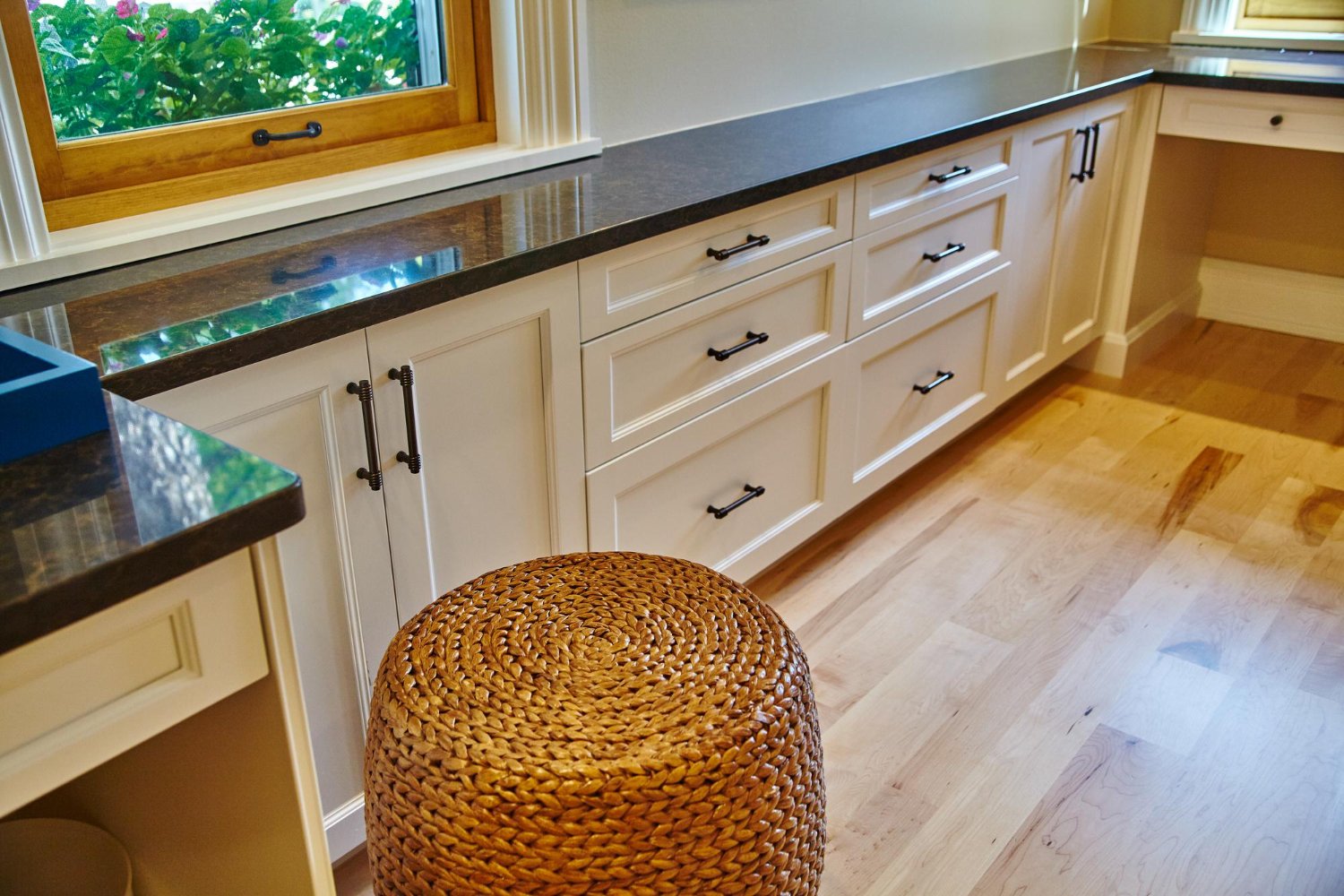
RTA kitchen cabinets — Ready-To-Assemble cabinets — have become one of the most popular ways to renovate a kitchen without paying showroom prices. But the most common question we hear is always the same: are RTA kitchen cabinets actually good quality, or are you sacrificing craftsmanship to save money? In this honest guide, we break down everything you need to know before you buy.
What Are RTA Kitchen Cabinets?
RTA kitchen cabinets are factory-built cabinets that are shipped flat-packed and assembled on-site by the homeowner or installer. The cabinet boxes, doors, shelves, and hardware all arrive in the same shipment — you simply follow the included instructions to put them together before installation.
The flat-pack format significantly reduces shipping volume, which is why RTA cabinets typically cost 20% to 40% less than the same cabinet shipped pre-assembled. The cabinet itself is manufactured to the exact same specifications — the only difference is when and where the final assembly happens.
Are RTA Kitchen Cabinets Good Quality?
The honest answer is: it depends on the manufacturer. RTA cabinets from a reputable factory-direct brand are built to the same quality standards as pre-assembled cabinets — solid wood frames, dovetail drawer joints, soft-close hardware, and premium finishes included.
The quality issues that give some RTA cabinets a bad reputation come from low-cost, mass-market brands that use particle board, staple construction, and cheap hardware. These problems have nothing to do with the RTA format — they are simply the result of cutting corners on materials.
At Lmereody Cabinetry, our RTA kitchen cabinets use:
- Solid wood face frames — no particle board
- Plywood box construction for superior strength
- Dovetail drawer joints — the gold standard of cabinet construction
- Soft-close door hinges and drawer slides on every cabinet
- Premium finish — consistent color and texture across every piece
RTA vs Pre-Assembled Cabinets: What Is the Real Difference?
The cabinet box, door, and hardware are identical between RTA and pre-assembled versions of the same model. The only differences are:
Factor | RTA Cabinets | Pre-Assembled Cabinets |
|---|
Assembly | You or your installer assembles on-site | Arrives fully assembled |
Shipping Cost | Lower — flat-packed, smaller boxes | Higher — larger boxes, more volume |
Price | 20–40% less than pre-assembled | Higher price point |
Install Time | Slightly longer — assembly adds 30–60 min per cabinet | Faster — ready to mount immediately |
Quality | Identical materials and construction | Identical materials and construction |
How Long Does It Take to Assemble RTA Kitchen Cabinets?
Assembly time for RTA kitchen cabinets varies by experience level. A first-timer working alone should budget approximately 30 to 60 minutes per cabinet box. An experienced installer can assemble each cabinet in 15 to 20 minutes.
For a standard 10-cabinet kitchen, allow a full day for assembly and a second day for installation. Many professional kitchen installers prefer RTA cabinets because the flat-pack format is easier to transport and maneuver in tight spaces.
How to Tell If RTA Cabinets Are Good Quality Before You Buy
Before ordering RTA kitchen cabinets from any brand, check for these quality indicators:
- Plywood box construction — not particle board or MDF
- Dovetail or dowel drawer joints — not stapled
- Soft-close hinges and drawer slides included — not sold separately
- Sample door option available — any confident manufacturer offers this
- Clear warranty terms — minimum one year on construction
- Detailed assembly instructions with hardware labeling
Lmereody Cabinetry offers refundable sample doors so you can verify quality with your own hands before you commit to a full kitchen order.
Who Are RTA Kitchen Cabinets Best For?
- Homeowners on a budget who want premium quality without paying for pre-assembly
- DIY renovators who are comfortable with basic flat-pack assembly
- Contractors who install multiple kitchens — faster logistics, lower material cost
- Homeowners with tight stairwells or doorways where pre-assembled boxes cannot fit